You want effective, practical, and enjoyable moves that fit into your day — not complicated routines that gather dust. This post gives you the best health-exercise movements of the year that are easy to learn, adapt to any fitness level, and make staying active genuinely enjoyable.
You’ll discover which movements deliver the biggest benefits for strength, balance, and cardiovascular health, plus clear, step-by-step guidance to perform them safely. Expect tips for matching exercises to your lifestyle, simple ways to add fun, and advice for tracking progress so you actually stick with the plan.
Top Practical and Fun Health Exercise Movements of the Year
These movements improve cardiovascular fitness, mobility, and balance while remaining easy to follow at home or in group classes. You’ll find routines that use music, simple props, or only bodyweight to fit short daily sessions.
Trending and Effective Exercise Routines
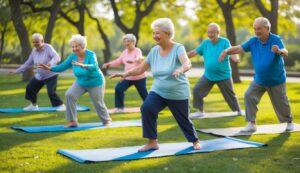
You’ll often see short aerobic circuits set to upbeat music—30–45 second stations combining marching high knees, side step touches, and low-impact jumping jacks.
These sequences raise heart rate quickly without requiring advanced skill, making them ideal for mixed-ability classes and home workouts.
Circuit example:
- 30s marching high knees
- 30s side step touch
- 30s squat to calf raise
- 30s light jog in place
Repeat 3–4 rounds with 60s rest.
Interval-style formats (work/rest) and choreography-based aerobic sets remain popular because they blend cardiovascular benefit with fun. You can scale intensity by increasing step height, tempo, or adding hand weights.
Innovative Daily Movement Ideas
Incorporate micro-sessions: three 10-minute blocks scattered through the day that combine mobility and light cardio.
Start mornings with dynamic stretches (leg swings, hip circles), add a midday walk with alternating brisk 1-minute bursts, and finish with a 10-minute low-impact aerobics routine to music.
Try these daily-movement combos:
- Morning: 5 min dynamic warm-up + 5 min balance drills
- Midday: 10 min brisk walk with 1-min power steps
- Evening: 10 min rhythm-based aerobic set
Use common props—resistance bands for glute bridges, a chair for step-ups, or a towel for sliding lunges—to increase variety without bulky equipment. Consistency matters more than duration for lasting health gains.
Expert-Recommended Movements
Experts highlight multi-joint moves that improve function: squats, hip hinges (deadlift pattern), lunges, and shoulder presses.
Combine these with targeted balance work: single-leg stands, side leg raises, and controlled step-back lunges to reduce fall risk.
Sample weekly focus:
- Strength days: bodyweight squats, glute bridges, push-ups (3 sets of 8–12)
- Mobility days: thoracic rotations, hip openers, ankle mobility (2–3 sets)
- Cardio days: 20–30 min of rhythmic aerobics or interval walking
Prioritize form and progressive overload—add repetitions, resistance, or tempo changes gradually. If you have joint issues, choose low-impact variations like chair-supported squats or marching in place.
Benefits of Practicing Health Exercise Movements
You gain measurable improvements in strength, flexibility, and mood when you practice consistent, well-chosen exercise movements. These routines also raise daily energy, reduce injury risk, and support long-term heart and bone health.
Physical Health Improvements
Regular health exercise movements strengthen major muscle groups and improve joint mobility. Expect better posture and reduced low‑back pain when you include core stabilizers, hip openers, and scapular control exercises in your routine.
Cardiovascular benefits appear from brisk aerobic sets like low‑impact aerobics or dynamic circuit rounds. Those sessions lower resting heart rate and improve circulation, which helps blood pressure and metabolic health.
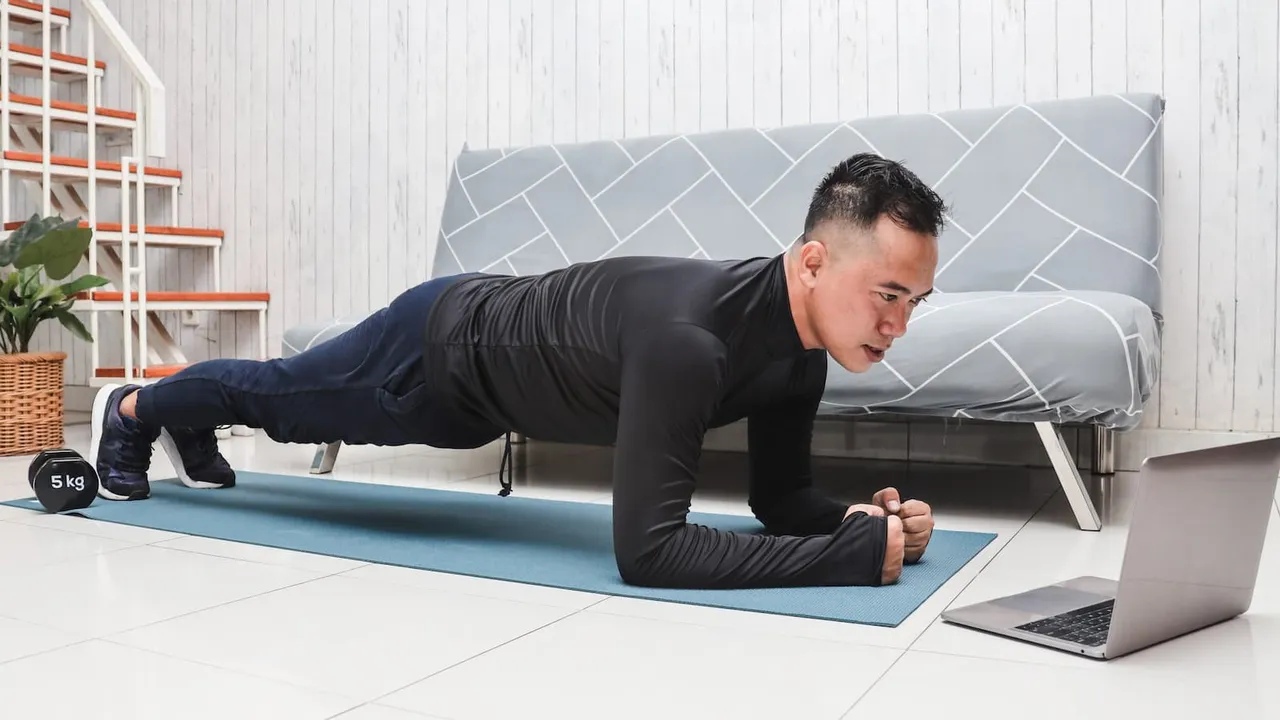
Bone density and balance improve through weight‑bearing moves and single‑leg drills. That combination lowers your fall risk and supports independence as you age. Trackable wins include increased squat weight, longer plank holds, or fewer steps needed to climb stairs.
Mental and Emotional Well-Being
Exercise movements trigger endorphin release and reduce stress hormones, which helps you feel calmer after sessions. Short routines—10–20 minutes of rhythmic movement—can noticeably lift mood and decrease anxiety for several hours.
You also get cognitive benefits from coordination and balance drills. Learning new sequences sharpens memory and focus. If you practice regularly, you may see improved sleep quality and quicker recovery from mental fatigue.
Group or guided classes add social support and accountability. That sense of belonging boosts motivation and makes it easier to maintain a program, which reinforces both mental resilience and consistent physical gains.
Boosting Daily Energy Levels
Consistent exercise increases mitochondrial efficiency in your muscles, so daily activities feel less tiring. Even brief morning movement raises alertness and reduces mid‑day slumps.
Focus on mixed sessions: a short aerobic warm‑up, 15–20 minutes of strength or mobility work, and a brief cool‑down. That format improves sustained energy without causing excessive fatigue.
Practical tips to maintain energy: hydrate, include a protein‑carb snack post‑session, and schedule workouts earlier in the day when possible. Track your energy trends across weeks to adjust intensity and timing for the best daily performance.
Step-by-Step Guide to Performing Popular Movements
You will learn simple foot patterns, common arm actions, and how to combine them safely into short routines. Focus on posture, breathing, and controlled tempo to make each movement effective and enjoyable.
Basic Movements for Beginners
Start with seven core steps that build coordination and endurance: marching, jogging in place, kicking, skipping, jumping jack, lunge, and knee-up. Practice each for 30–60 seconds, keeping torso upright and core lightly engaged.
For arms use these 12 simple actions: biceps curl, rowing, upright row, chest press, butterfly (horizontal adduction), triceps extension, shoulder press, and arm swing. Match arm actions to foot rhythm—for example, march while performing alternating biceps curls to train coordination.
Use the following quick progression:
- Week 1: 3 sets of 30s per step, 30s rest.
- Week 2: Increase to 45–60s per step or add one extra set.
- Week 3: Combine two steps into 90s sequences with arm movements.
Keep range of motion comfortable. Stop if you feel sharp pain, dizziness, or shortness of breath.
Easy-to-Follow Instructions
Perform marching: stand tall, step forward slightly with heel-to-toe, swing opposite arm to knee height. Maintain a 2:1 inhale-exhale rhythm; keep shoulders relaxed.
Do a basic lunge: step one leg forward 60–80 cm, bend both knees to ~90°, hips square, front knee over ankle. Push through the front heel to return; alternate legs for 8–12 reps per side.
Execute a shoulder press with light dumbbells or no weight: start at shoulder height, palms facing forward, press overhead without arching the lower back. Lower under control for 8–15 reps.
For jumping jacks: land softly with knees slightly bent, jump feet wide while raising arms overhead. Modify by stepping out instead of jumping if impact bothers your joints.
Safety Tips and Precautions
Warm up 5–8 minutes with dynamic movements like arm circles and marching to raise heart rate and loosen joints. Cool down with gentle stretches targeting calves, quads, hamstrings, chest, and shoulders for 5–7 minutes.
Follow these red flags to stop: sharp joint pain, chest discomfort, lightheadedness, or sudden severe shortness of breath. If you have hypertension, diabetes, or recent surgery, get medical clearance before starting higher-intensity routines.
Modify to reduce risk:
- Lower impact: replace jumps with steps.
- Reduce ROM: perform partial lunges or shallower squats.
- Use support: hold a chair for balance during knee-ups or single-leg moves.
Use proper footwear, exercise on a non-slip surface, and hydrate before and after sessions.
Choosing the Right Exercise for Your Lifestyle
Pick routines that fit the time you actually have, the space you can use, and the physical limits you must respect. Focus on specific session lengths, equipment needs, and measurable goals when deciding what to practice.
Adapting Exercises to Your Schedule
List your available time per day and week first. If you have 15–30 minutes, choose high-efficiency routines: a 20-minute circuit of bodyweight moves (squats, push-ups, plank variations, and marching in place) covers strength and cardio.
Match exercise frequency to your recovery needs. For example, plan strength-focused sessions twice weekly and low-impact cardio (brisk walking, low-impact aerobics) three times weekly if you need more recovery between heavy sessions.
Make workouts location-friendly. Use a living-room footprint (2 × 2 meters) for floor-based routines, or a short outdoor route for interval walking. Schedule fixed slots—such as before breakfast or after work—to build consistency.
Matching Movements with Fitness Goals
Define one primary goal: mobility, fat loss, cardiovascular health, or strength. For mobility, prioritize dynamic stretching and controlled joint rotations for 10–15 minutes daily. For fat loss, aim for 150+ minutes weekly of moderate activity or 75 minutes of vigorous activity split into 20–40 minute sessions.
Choose movements that directly train the target quality. Want stronger legs? Include lunges, step-ups, and controlled single-leg deadlifts twice weekly. Need better heart health? Use continuous moderate-intensity aerobic sessions or interval stair climbs 3–5 times weekly.
Track progress with simple metrics. Use a weekly minutes log, a rep/weight progression chart, or a timed walk/run pace to decide when to increase intensity or change exercises.
Incorporating Fun into Your Health Exercise Routine
Make exercise something you look forward to by using small, specific strategies that keep you consistent and engaged. Choose activities that match your schedule, social preferences, and energy levels so you actually stick with them.
Motivational Techniques
Set concrete, short-term targets such as completing three 20-minute sessions per week or mastering a 30‑second plank variation. Track progress with a simple checklist or a calendar app and reward yourself when you hit milestones — a new workout top after four weeks, for example.
Use music playlists matched to tempo: pick 130–150 BPM for aerobic sessions and 90–110 BPM for cool-downs. Break longer workouts into 10-minute blocks to reduce mental barriers. Visual cues help too; place your mat or sneakers where you see them each morning.
Use habit stacking by attaching exercise to an existing routine: do a 5-minute mobility flow after breakfast or a stretching set while dinner simmers. These micro-habits add up and make exercise automatic without needing big bursts of willpower.
Group and Family-Friendly Activities
Choose low-barrier formats everyone can join: a 30‑minute aerobics routine to upbeat music, a 20‑minute family circuit with bodyweight moves, or a weekend walk-to-park meetup. Rotate roles so one person picks the playlist, another times intervals, and a third leads stretches.
Make simple rules for safety and inclusion: scale movements (march in place instead of jumping), set clear rest periods, and encourage non-competitive goals like “complete every station” rather than who’s fastest. Use household items — chairs for tricep dips, towels for sliders — to keep costs low.
Schedule recurring slots on family calendars and send a brief reminder 30 minutes before start time. Offer small incentives like choosing the post-workout snack or an extra 10 minutes of screen time for kids who participate consistently.
Creative Variation Ideas
Refresh routines by swapping one element each week: change the music genre, alter interval lengths, or introduce a new prop (resistance band, light dumbbell, or step). This prevents plateaus and keeps workouts novel without needing entirely new programs.
Combine modalities: start with 10 minutes of aerobic dance, add 10 minutes of strength circuits, and finish with 5 minutes of guided breathing. Use theme days—“Retro Cardio Tuesday” or “Balance & Core Friday”—to make planning effortless and fun.
Keep a short rotation list of five go-to sessions (e.g., 20‑minute low-impact aerobics, 15‑minute core, family circuit, mobility flow, and outdoor power walk). Rotate them so you get variety while maintaining structure.
Tracking Progress and Setting Goals
You improve faster when you track small, consistent changes. Record sessions like duration, intensity, and which senam moves you did to spot patterns and adjust effort.
Set specific, measurable goals that match your lifestyle. Examples: “3 sessions/week of 30 minutes” or “increase continuous cardio time by 5 minutes every two weeks.”
Use simple tools that fit you: a notebook, a habit app, or a fitness tracker. If you prefer tech, pick an app that logs workouts and shows trends; if not, a calendar checkmark works just as well.
Try a short weekly review to compare data and feelings. Ask: Did you complete planned sessions? How was your energy and soreness? Make one clear change for next week based on answers.
Keep goals realistic and time-bound to avoid burnout. Combine outcome goals (weight, fitness test) with process goals (consistency, form), and prioritize the process when life gets busy.
Quick reference — goal examples:
- Process goal: 30 minutes of senam, 3× per week.
- Short-term outcome: increase stamina by 5 minutes of continuous movement in 4 weeks.
- Long-term outcome: perform a full routine with good form daily.
Celebrate small wins and adjust targets when needed. That keeps motivation steady and makes your senam practice both practical and enjoyable.
Expert Advice for Maximizing Results
Start with a simple plan and progress gradually. Aim for consistency—three to five short sessions per week beats one long, sporadic workout.
Warm up for 5–10 minutes to raise heart rate and loosen joints. Dynamic moves like arm circles and leg swings cut injury risk and improve performance.
Focus on form over speed. Precise technique protects your joints and targets the intended muscles more effectively than rushing through repetitions.
Mix intensity and variety to avoid plateaus. Combine low-impact aerobic moves, strength-oriented bodyweight exercises, and flexibility drills across your weekly routine.
Use this quick checklist before each session:
- Hydrate lightly and eat a small snack if needed.
- Wear supportive footwear and comfortable clothing.
- Clear a safe space free of obstacles.
Track progress with simple metrics: session count, perceived exertion, and a few measurable goals (minutes of continuous movement, number of repetitions, or flexibility range). Review every 2–4 weeks and adjust workload.
Listen to your body and respect recovery. If you feel unusual pain, scale back or rest; mild muscle soreness is normal, sharp pain is not.
If you have medical conditions or mobility limits, consult a healthcare professional before increasing intensity. They can help adapt movements so you gain benefits safely.
Conclusion
You can make senam a simple, regular habit that improves strength, flexibility, cardiovascular health, and mood. Choose a few accessible routines — floor exercises, SKJ, or a short aerobic circuit — and adapt intensity to your fitness level.
Keep sessions short and consistent; even 15–30 minutes most days yields measurable benefits. Focus on form, warm up first, and progress gradually to avoid injury.
Use variety to stay motivated: mix mobility work, light resistance moves, and rhythmic group routines. That variety helps target different muscle groups and keeps your routine enjoyable.
Practical tips to apply right away:
- Start with a 5–10 minute warm-up.
- Combine 2–3 types of movements (cardio, strength, flexibility).
- Track frequency and small improvements.
With steady practice, you’ll notice better circulation, steadier breathing, and improved energy for daily activities. Adjust the plan as your fitness improves, and consider a coach or class if you want structured progression.