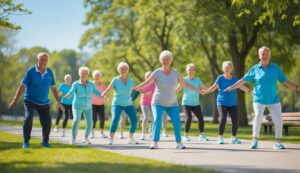

You can protect and strengthen both your heart and lungs with targeted senam exercises that fit into daily life. Choose routines that combine gentle cardio, breathing drills, and mobility work to raise your cardiovascular fitness, improve oxygen exchange, and reduce shortness of breath without overloading your body.
This article shows which senam practices proved most effective this year, how each exercise supports heart and respiratory function, and how to adapt sessions to your fitness and health needs. Expect practical tips on choosing moves, pacing your progress, and pairing exercise with lifestyle habits so your program delivers measurable benefits.
Overview of Heart and Respiratory Health
Heart and lung health determine how well your body delivers oxygen and clears carbon dioxide during activity and rest. Strong cardiovascular and respiratory systems support daily tasks, exercise capacity, and recovery from illness.
Why Heart and Lung Health Matters
Your heart pumps blood that carries oxygen to muscles and organs; your lungs exchange oxygen and carbon dioxide. If either system weakens, you may tire faster, feel short of breath, or recover slowly after exertion.
Good cardiorespiratory fitness lowers your risk of heart attack, stroke, and hospitalization for breathing problems. It also helps maintain normal blood pressure, healthy cholesterol levels, and better blood sugar control.
You gain immediate benefits from modest improvements: walking briskly for 30 minutes most days can raise your aerobic capacity and reduce resting heart rate. Over months, consistent training improves lung efficiency, increases stroke volume, and enhances circulation to support longer, harder activity.
Key Factors Affecting Cardiovascular Wellness
Several modifiable and non-modifiable factors determine your cardiovascular risk. Non-modifiable factors include age, family history of heart disease, and genetic predispositions. You can’t change those, but you can control many important contributors.
Modifiable factors include:
- Physical inactivity: increases risk rapidly; regular aerobic exercise reduces it.
- Unhealthy diet: high saturated fat, sodium, and added sugars raise cholesterol and blood pressure.
- Smoking and vaping: directly damage lung tissue and blood vessels, dramatically increasing heart and lung disease risk.
- Excess weight and poor metabolic health: insulin resistance and high triglycerides stress the heart.
- Stress and sleep: chronic stress and short sleep duration raise inflammation and blood pressure.
Addressing these factors through exercise, diet, smoking cessation, and sleep hygiene yields measurable improvements in months.
Early Signs of Heart and Respiratory Issues
Recognizing early warning signs lets you seek care before problems worsen. Watch for these symptoms and act promptly if they appear.
Common cardiovascular signs:
- Chest discomfort or pressure, especially with exertion.
- Unexplained fatigue or reduced exercise tolerance.
- Lightheadedness or fainting.
Respiratory warning signs:
- Shortness of breath at rest or with usual activities.
- Persistent cough or wheeze that doesn’t improve.
- Rapid breathing or frequent bronchitis-like infections.
If you experience swelling in the ankles, sudden severe breathlessness, or chest pain, seek urgent medical evaluation. Early detection and lifestyle changes often prevent progression and improve outcomes.
Benefits of Senam Kesehatan for Heart and Lungs
Senam Kesehatan improves how your heart pumps, how efficiently your lungs exchange air, and how well your body copes with daily physical demands. You gain measurable gains in endurance, breathing control, and stress reduction when you practice consistently.
Improving Cardiovascular Endurance
Senam Kesehatan uses continuous, rhythmical movements—like brisk marching, step patterns, and dynamic arm swings—that raise your heart rate into a moderate aerobic zone. This trains your heart muscle to pump more blood per beat, which can lower resting heart rate and improve circulation within weeks of regular practice.
You develop better stroke volume and capillary density in skeletal muscles, so your body delivers oxygen more efficiently during activity. Aim for 30–60 minutes most days, mixing intensity levels; interval variations (short faster bursts followed by recovery) accelerate gains.
Practical signs of improvement include walking faster with less breathlessness, recovering more quickly after exertion, and improved performance in other activities such as cycling or swimming.
Enhancing Lung Capacity and Breathing
Controlled breathing techniques and paced movements in Senam Kesehatan strengthen the respiratory muscles—primarily the diaphragm and intercostals. Stronger respiratory muscles reduce the effort needed to breathe and increase tidal volume, so you take in more air per breath.
You learn to coordinate inhalation and exhalation with movements, which improves ventilation-perfusion matching and reduces shallow chest-only breathing. Exercises such as guided deep breaths, pursed-lip exhalation, and rhythmic breath counts during movement enhance oxygen uptake and CO2 clearance.
Trackable improvements include fewer episodes of breathlessness during exertion, longer durations of continuous activity, and clearer awareness of breathing patterns that helps during stair climbing or brisk walking.
Reducing Stress for Better Heart Health
Senam Kesehatan incorporates steady rhythm, focused breathing, and predictable movement sequences that lower sympathetic nervous system activity. Reduced sympathetic tone decreases heart rate variability spikes and lowers circulating stress hormones like adrenaline and cortisol.
Regular practice promotes parasympathetic activation—your body’s “rest and digest” state—leading to lower blood pressure and reduced cardiac workload. Even 15–20 minutes of a calming, breath-focused routine can produce immediate reductions in perceived stress.
By combining physical activity with breath control and mild mindfulness, you protect your heart from stress-related strain and support long-term cardiovascular resilience.
Best Senam Kesehatan Activities of the Year
These activities focus on improving cardiac output, circulation, and lung capacity through controlled movement, breathing patterns, and graded intensity. You’ll find routines that balance aerobic workload, strength for chest and core, and breathing drills that expand lung volumes.
Top-Rated Routines for Heart Health
Choose continuous, moderate-intensity circuits that keep your heart rate in the aerobic zone (about 50–70% of your max) for 20–40 minutes. Examples: brisk low-impact aerobics, step-based routines, and interval walking with short strength breaks.
Use this simple weekly template:
- 3 sessions × 30–40 minutes of aerobic movement (continuous or interval).
- 2 sessions × 15–20 minutes of light resistance focusing on legs and core to support circulation.
Pay attention to heart-rate cues: monitor how fast you breathe, whether you can speak in full sentences, and use a wearable if available. Start with a 5–10 minute warm-up and finish with a 5–10 minute cooldown of slow movements and stretching to prevent sudden blood-pressure swings.
Most Effective Respiratory Exercises
Prioritize diaphragmatic breathing, pursed-lip breathing, and paced deep-breathing sets to increase tidal volume and improve air exchange. Practice these for 5–15 minutes twice daily, especially before or after light exercise.
Do this progression:
- Diaphragmatic breaths: 6–10 slow deep breaths, hand on belly to feel expansion.
- Pursed-lip breathing: inhale 2 counts, exhale 4 counts to reduce airway collapse.
- Inspiratory hold and cough: gentle breath-hold for 2–3 seconds followed by controlled cough to clear airways if needed.
Combine breathing drills with gentle mobility—thoracic rotations and chest-opening stretches—to reduce restrictive posture and help you take fuller breaths during activity.
Trending Group Fitness Options
Look for community classes that mix low-impact cardio, functional strength, and guided breathing. Popular formats this year include senior-focused health aerobics, rhythmic fitness with light props (bands or balls), and hybrid classes that alternate aerobic and respiratory sets.
Key benefits you’ll gain from group formats:
- Steady progression under instructor supervision.
- Social accountability that increases adherence.
- Modifications for varying fitness and mobility levels.
When choosing a class, verify instructor credentials, class intensity, and whether they include breathing instruction. Aim for classes that offer clear progressions and measurable goals—distance, duration, or perceived exertion—so you can track cardiovascular and respiratory improvements.
Personalizing Senam Kesehatan Programs
You should tailor exercise selection, intensity, and safety measures to your current fitness, age, and any medical issues. Practical adjustments—progressions, regressions, and monitoring—ensure each session strengthens your heart and lungs without undue risk.
Adapting Exercises to Fitness Levels
Start by assessing your baseline: record resting heart rate, perceived exertion during a 10-minute walk, and any movement restrictions. Use those measures to choose intensity zones—light (RPE 2–3), moderate (RPE 4–6), or vigorous (RPE 7–8)—and pick corresponding exercises like marching in place, brisk walking, or interval step-ups.
Progress systematically. Increase duration by 5–10 minutes per week or add one higher-intensity interval every 7–10 days. If you struggle with balance or joint pain, substitute low-impact options: stationary cycling, water aerobics, or seated cardio. Track responses after each session—breathlessness, chest pain, excessive fatigue—and reduce intensity or stop if abnormal symptoms appear.
Use simple equipment to scale effort: resistance bands, light ankle weights, or a step. Aim for consistent progression rather than dramatic jumps to protect your heart and lungs.
Age-Appropriate Activity Recommendations
For adults 18–50, emphasize moderate-to-vigorous aerobic work 150–300 minutes weekly, plus two sessions of strength focused on major muscle groups. Include interval work once you have a aerobic base: 1–2 sessions of short high-intensity efforts per week.
For ages 50–70, prioritize balance, flexibility, and joint-friendly cardio. Target 150 minutes of moderate aerobic activity weekly, with strength training twice weekly using lighter loads and higher repetitions. Add balance drills (single-leg stands, tandem walk) 3 times weekly to reduce fall risk.
For 70+ years, emphasize functional movements—sit-to-stand, step-ups, and brisk walking—aiming for at least 150 minutes of moderate activity spread across most days. Keep sessions shorter (10–20 minutes) but frequent, and include breathing exercises to maintain respiratory capacity.
Addressing Medical Conditions and Limitations
When you have hypertension, diabetes, COPD, or coronary disease, begin with physician clearance and a tailored plan. For hypertension, favor steady-state aerobic work at moderate intensity and avoid sustained Valsalva maneuvers; monitor blood pressure pre- and post-session. For COPD, combine diaphragmatic breathing drills with interval walking to improve ventilation without provoking breathlessness.
When joint osteoarthritis limits impact, substitute swimming, cycling, or seated aerobics. If you take beta-blockers or other rate-limiting meds, use perceived exertion and symptoms rather than heart rate to guide intensity. Keep an emergency plan: carry contact info, prescribed meds, and stop criteria (chest pain, sudden severe breathlessness, lightheadedness).
Work with a physiotherapist or cardiac rehab specialist for exercise prescription when you have complex conditions. They can provide individualized progressions, safe movement patterns, and objective monitoring so you exercise effectively and safely.
Tips for Maximizing Exercise Results
Prioritize consistent practice, proper intensity, and smart recovery to strengthen your heart and lungs effectively. Aim for measurable targets, track how your body responds, and adjust routine, duration, and rest based on real data.
Warming Up and Cooling Down
Start every session with 5–10 minutes of light aerobic movement: brisk walking, marching in place, or gentle cycling. Follow with dynamic mobility for major joints — arm circles, hip swings, and leg swings — to raise core temperature and prepare your heart for higher loads.
End with 5–10 minutes of low-intensity activity to return heart rate toward baseline. Add static stretching for tight areas (calves, chest, hip flexors) held 20–30 seconds to improve flexibility and reduce post-exercise stiffness.
If you have heart disease or high blood pressure, include a doctor-approved gradual transition and avoid sudden stops.
Optimal Frequency and Duration
For cardiovascular and respiratory benefits, aim for at least 150 minutes of moderate-intensity aerobic exercise or 75 minutes of vigorous activity per week. Break this into 30–40 minutes on most days, or use 20–30 minute high-intensity intervals three times weekly if you’re already fit.
Balance intensity and recovery: include 2 strength sessions weekly to support respiratory muscles and posture. If you’re new or returning, start with shorter bouts (10–15 minutes) and increase time by 10% each week. Use a sample weekly plan:
- Monday: 30 min brisk walk
- Wednesday: 20 min interval cardio + strength
- Friday: 30 min cycling or swimming
Adjust volume when you’re tired, ill, or during medication changes.
Monitoring Progress and Safety
Measure heart-rate response to gauge intensity: use a chest strap or wrist monitor and target 50–85% of your maximum heart rate, adjusted for age and fitness. Record session duration, perceived exertion (RPE 1–10), and any symptoms like chest pain, dizziness, or undue breathlessness.
Watch for warning signs: unusual chest discomfort, fainting, or sudden severe shortness of breath requires immediate medical evaluation. Keep a simple log or app with date, activity, intensity, and notes on recovery and sleep.
If you have a chronic condition, get clearance and a tailored target zone from your clinician; follow prescribed limits and report adverse responses promptly.
Lifestyle Support for Heart and Lung Health
Focus on daily choices that directly affect blood pressure, oxygen delivery, and breathing capacity: what you eat, how you manage stress and sleep, and the habits you repeat week after week.
Nutrition for Cardiopulmonary Wellness
Choose foods that lower inflammation, improve blood lipids, and support oxygen transport. Prioritize oily fish (salmon, mackerel) twice weekly for omega-3s, whole grains for steady blood sugar, and a variety of colorful vegetables and fruits for antioxidants and potassium.
Limit processed meats, sugary drinks, and trans fats; these raise LDL cholesterol and inflammation. Aim for dietary sodium under 2,300 mg per day (1,500 mg if you have hypertension).
Consider these concrete swaps:
- Replace white rice with brown rice or quinoa.
- Use olive oil instead of butter for cooking.
- Snack on a handful of nuts instead of chips.
If you take medications or have conditions like diabetes, consult your clinician before major diet changes. Stay hydrated; adequate fluids help blood volume and mucous clearance in the airways.
Incorporating Rest and Stress Management
Sleep and stress directly affect heart rate, blood pressure, and respiratory patterns. Target 7–9 hours of consistent sleep per night; short naps (20–30 minutes) can help without disrupting nighttime rest.
Practice breathing techniques that benefit lungs and calm the nervous system: diaphragmatic breathing for 5–10 minutes daily, paced breathing (6–8 breaths/min) before stressful tasks, and pursed-lip breathing during exertion.
Manage daily stress with concrete habits:
- Schedule a 10-minute walk or light cardio session after work.
- Use a brief mindfulness app routine each morning.
- Set boundaries for work and screen time to reduce chronic activation.
If you experience persistent anxiety, insomnia, or palpitations, seek professional help. Therapies and targeted sleep interventions can reduce cardiovascular risk.
Building Long-Term Healthy Habits
Create a realistic routine that mixes aerobic exercise, strength work, and flexibility to strengthen heart and lungs over years. Aim for at least 150 minutes/week of moderate aerobic activity (brisk walking, cycling) or 75 minutes/week of vigorous activity, plus two sessions of resistance training.
Track progress with simple metrics: weekly minutes of exercise, resting heart rate trends, and perceived exertion during workouts. Adjust intensity gradually—add 10% more time or load every 2–3 weeks to avoid injury.
Use environmental and social supports:
- Join a walking group or class for accountability.
- Keep workout clothes visible and prep sessions in your calendar.
- Replace one sedentary hour per day with light activity (standing, short walk).
Regular screening (blood pressure, lipid panel, glucose) and vaccination (influenza, COVID-19 as appropriate) help maintain cardiopulmonary resilience.
Trends and Future Directions in Senam Kesehatan
You will see personalization become a dominant trend as programs adapt to individual needs. AI and wearable data guide intensity, duration, and recovery so sessions target your heart and lung health more precisely.
Community and cultural variations in senam are rising in popularity. Group classes that blend traditional movements with modern cardio create social motivation while respecting cultural styles.
Expect more targeted programs for specific populations, such as postnatal, diabetes prevention, and cardiac rehab. These offerings focus on safety and measurable outcomes for your cardiovascular and respiratory function.
Digital delivery and hybrid formats make access easier. Live-streamed classes, on-demand libraries, and app-guided routines let you train anywhere, with coaches monitoring progress remotely.
Focus on holistic wellness ties physical routines to mental health and lifestyle factors. Breathwork, mobility, and stress-management elements increasingly pair with aerobic and strength components to support overall cardiorespiratory fitness.
Key practical takeaways:
- Personalized training driven by data improves efficiency.
- Culturally adapted group formats boost adherence.
- Specialized programs address clinical and life-stage needs.
- Digital and hybrid delivery increase convenience and consistency.
You can use these trends to choose or design a senam routine that protects your heart and lungs while fitting your schedule and health goals.