
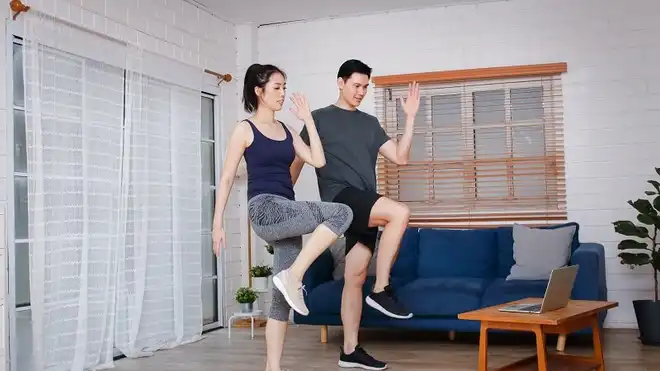
You can lower stress and boost daily energy with targeted, easy-to-follow exercise choices that fit your schedule and fitness level. Choose activities like aerobic workouts, stretching or gentle group classes to calm your mind, raise your heart rate, and leave you feeling more energized—often after just a few sessions.
This article shows which forms of senam (aerobics, rhythmic or stretching-based routines, and group fitness) work best for stress relief and energy, how to match them to your needs, and simple safety and motivation tips to keep you consistent. Follow practical guidance to pick exercises that fit your life and start feeling the benefits without waiting weeks.
Top Exercise Choices for Health and Stress Relief
These practices reduce physiological stress markers, improve sleep quality, and boost daytime energy by combining breath control, controlled movement, and progressive skill-building. You can choose one based on time, space, and whether you prefer gentle flow, strength-focused work, or slow meditative movement.
Yoga for Mindfulness and Relaxation
Yoga blends controlled breathing (pranayama), gentle stretching, and held postures to lower heart rate and calm the nervous system. You can use 20–45 minute sessions that emphasize slow vinyasa flow or restorative poses like child’s pose, supine twist, and legs-up-the-wall to reduce cortisol and ease muscle tension.
Practice cues you should follow: focus on diaphragmatic breathing, move within comfortable range, and hold restorative poses for 3–8 minutes when possible. Props such as blocks and bolsters make poses accessible and improve relaxation outcomes.
Practical plan: start three sessions per week, including one restorative session before bed and two morning or midday flows to lift energy. Track sleep, perceived stress, and energy across two weeks to gauge benefit.
Pilates to Improve Core Strength and Stamina
Pilates emphasizes spinal alignment, deep core muscle activation, and controlled repetition to increase muscular endurance and functional stability. You’ll perform exercises like the hundred, roll-up, and leg circles that target the transverse abdominis and pelvic floor while minimizing joint strain.
Sessions of 30–50 minutes with progressive resistance—band, small ball, or reformer—improve posture and reduce the muscular fatigue that contributes to low-energy feelings. Focus on breath-timed movement and precise form; quality beats quantity.
Programming tip: combine two Pilates sessions per week with one light cardio or mobility day. Measure progress by improved plank hold time, reduced low-back discomfort, and steadier breathing during activity.
Tai Chi to Balance Body and Mind
Tai Chi uses slow, continuous sequences and coordinated breathing to enhance proprioception, lower sympathetic arousal, and cultivate mental focus. You’ll practice forms like the short 24-posture sequence or simple standing meditations that improve balance and reduce anxiety symptoms.
Practice sessions of 20–40 minutes emphasize weight shifts, relaxed knees, and mindful attention to transitions. This low-impact modality suits all ages and requires no equipment, making it easy to maintain consistency.
Use a routine: five sessions weekly of 15–30 minutes for sustained stress reduction, or three longer sessions if your schedule is tight. Track balance, perceived calm, and daily energy to assess effectiveness.
Aerobic Workouts for Energy Enhancement
These aerobic options raise heart rate, improve circulation, and lift mood through rhythmic movement and sustained effort. Choose a style that fits your fitness level and schedule, and aim for 20–40 minutes per session most days.
Zumba for Mood Boosting and Fun
Zumba uses dance-based choreography set to upbeat music, which makes it easier to keep moving for 30–60 minutes. You engage large muscle groups—legs, glutes, core and arms—through repeated, coordinated steps that increase oxygen delivery and raise endorphin levels, helping you feel more alert and positive after class.
You can modify intensity by changing step amplitude and pace. Beginners focus on rhythm and simpler steps; advanced participants add turns, jumps, and faster sequences. Classes often combine intervals of higher-intensity moves with recovery segments, so you get both cardiovascular benefit and short periods to catch your breath.
Practical tips:
- Wear supportive shoes with lateral stability.
- Start with 20–30 minutes and build to 45 minutes.
- Hydrate before and after; bring a towel for sweat.
Low-Impact Cardio for Daily Vitality
Low-impact cardio reduces joint stress while maintaining steady heart-rate elevation, making it ideal for daily practice and for people returning from injury. Options include brisk walking, elliptical training, step-touches, and low-impact aerobics routines that keep one foot in contact with the floor most of the time.
Aim for a pace where you can talk but not sing—this indicates moderate intensity. Sessions of 20–40 minutes improve mitochondrial efficiency in muscles and support consistent energy levels across the day. You can add light resistance (bands or bodyweight moves) to increase muscle recruitment without high impact.
Practical checklist:
- Frequency: 4–6 times per week.
- Intensity: moderate (RPE 5–6/10).
- Progression: increase duration by 5–10 minutes every 1–2 weeks.
Stretching Routines to Reduce Stress
Target tight necks, shoulders, and low back with short, intentional stretches and breathing to lower muscle tension and boost alertness. Use movements you can do seated or standing, hold or flow through them for 30–60 seconds, and pair each with slow exhales to calm your nervous system.
Dynamic Stretching for Busy Lifestyles
Dynamic stretches warm muscles and increase blood flow without requiring you to stop tasks for long. Perform controlled arm circles, spinal rotations, and leg swings in sets of 8–12 reps per side to loosen shoulders, mid-back, and hip flexors before work or between meetings.
Keep each movement smooth and avoid bouncing. Focus on range of motion that feels comfortable; stop if you feel sharp pain. A 5–10 minute sequence works well: march in place for 60 seconds, follow with torso twists, then shoulder rolls and hip openers.
You can do these standing at your desk or in a hallway. They raise energy by stimulating circulation and interrupt prolonged static postures that cause stiffness.
Guided Breathing Exercises
Pair stretches with timed breaths to reduce sympathetic arousal and improve focus. Use a 4-6-8 pattern: inhale 4 seconds, hold 6 seconds, exhale 8 seconds while performing gentle neck tilts or diaphragmatic belly breaths.
Slow exhales activate the parasympathetic system and decrease heart rate. Practice 4–6 cycles in one sitting; repeat two to three times daily during peak stress moments.
Use tactile cues: place one hand on your chest and one on your belly to ensure diaphragmatic movement. Combine breathing with progressive tension-release—tense a muscle group for 3–5 seconds, then exhale and relax—to amplify the calming effect.
Group Fitness Programs for Motivation
Group fitness combines structured classes and social support to help you stick with exercise, reduce stress, and boost daily energy. Expect scheduled sessions, instructor feedback, and peers who hold you accountable.
Community-Based Classes
Community classes run at local gyms, community centers, or workplace wellness programs and meet on fixed schedules like twice weekly. You benefit from professional instructors who modify moves for different fitness levels, making sessions safe and effective for stress reduction and stamina building.
Look for classes labeled:
- Cardio circuits for calorie burn and mood lift.
- Low-impact aerobics for joint-friendly energy gains.
- Yoga or tai chi for breathing, flexibility, and stress control.
Check logistics before joining: class size, required equipment, and instructor credentials. Smaller groups offer more individualized attention; larger groups provide stronger social momentum. Ask about a trial class, drop-in options, and whether the program tracks progress or offers follow-up coaching.
Outdoor Group Activities
Outdoor group sessions include park bootcamps, walking clubs, and community Zumba under open sky, which adds natural light and fresh air—factors proven to improve alertness and lower stress. You’ll often move at varied intensities, which raises cardiovascular fitness while preventing boredom.
Typical formats:
- Bootcamp for intervals and strength work.
- Walking or Nordic walking groups for low-impact endurance.
- Dance cardio or Zumba in the park for high-energy, social workouts.
Prepare with weather-appropriate clothing, a water bottle, and sunscreen. These programs commonly run early morning or evening to fit work schedules and maximize social turnout, so pick consistent slots to build routine and enjoy the accountability that keeps motivation high.
Choosing the Right Exercise Based on Individual Needs
Match exercise intensity, duration, and type to what your body can handle and what you want to achieve. Focus on safety, progressive overload, and activities that fit your schedule and preferences.
Customizing Routines by Fitness Level
Assess your current capacity: track how long you can sustain moderate activity, how many repetitions you can do with good form, and your resting heart rate. Start with frequency you can maintain—three 30-minute sessions per week is a realistic baseline if you’re new.
Use progressive steps: increase time by 10–20% each week or add one extra session every two weeks. For strength, begin with bodyweight or light resistance for 8–15 controlled reps; advance when you can do 2–3 more reps across all sets.
Balance intensity and recovery. Alternate cardio (e.g., brisk walking, low-impact aerobics) with mobility and strength days. Track perceived exertion (scale 1–10) and keep most sessions at 4–6, with one short higher-intensity session at 7–8 if your joints and energy allow. Use a simple log to monitor progress and avoid sudden jumps in volume.
Adjusting for Age and Health Considerations
Check with a healthcare provider if you have chronic conditions (hypertension, diabetes, recent surgery). Prioritize low-impact activities—swimming, cycling, chair-based routines—if you have joint pain or balance issues.
Modify movements to reduce risk: shorten range of motion, lower speed, and perform exercises near a support (wall, chair) when balance is a concern. Aim for at least 150 minutes of moderate aerobic activity weekly, split into manageable sessions (e.g., 5×30 minutes), and include two days of light resistance or functional strength work.
Consider medication effects and energy fluctuations. Schedule sessions when your energy peaks, and keep quick modifications ready (reduce time, lower intensity) on low-energy days. Track symptoms after exercise and adjust type or intensity if you notice worsening pain, dizziness, or excessive fatigue.
Tips for Maintaining Consistency and Motivation
You will find practical steps to set achievable exercise targets and simple ways to measure progress so you keep momentum. The tactics focus on daily choices, scheduling, and small rewards that reinforce steady practice.
Setting Realistic Goals
Start with specific, measurable targets you can hit in 1–4 weeks. For example, commit to three 30-minute sessions of low-impact senam per week or a daily 10-minute mobility routine after waking.
Break larger aims into micro-goals — increase session length by 5 minutes every two weeks or add one extra set to a circuit every ten days. This reduces overwhelm and keeps improvement visible.
Write goals down and place them where you see them each day: on your phone lock screen, fridge, or workout mat. Use action-based phrasing: “Do 30 minutes of aerobic senam Monday/Wednesday/Friday,” not “exercise more.”
Adjust targets when life changes. If you travel or feel sore, switch to a lighter variant (stretching or breathing-focused senam) rather than skipping entirely.
Tracking Progress and Celebrating Improvements
Choose one simple tracking method and use it consistently: a habit app, a paper calendar, or a checkbox list. Track session type, duration, and one subjective measure (energy level 1–5 or stress rating).
Review entries weekly. Look for patterns: which days you skip, which sessions boost energy, and which movements reduce tension most effectively.
Set small, non-food rewards for hitting milestones: new workout shorts after four consecutive weeks, a massage after 12 sessions, or a guided class when your energy ratings rise.
Share progress with a friend or join a local senam group for accountability. Public commitments and visual streaks make you more likely to follow through.
Safety Guidelines and Best Practices
Start each session with a 5–10 minute warm-up to raise your heart rate and loosen muscles. A proper warm-up reduces injury risk and helps your body transition into more intense movement.
Listen to your body and modify movements when you feel pain or sharp discomfort. Mild muscle soreness is normal, but stop and rest if something feels wrong.
Use proper form over speed or intensity to protect joints and spine. If unsure, follow a qualified instructor or short instructional videos that demonstrate alignment clearly.
Hydrate before, during, and after exercise, especially if you sweat a lot. Drink small amounts frequently rather than a large volume at once.
Wear supportive, well-fitting shoes and comfortable clothing that allows full range of motion. For floor work, use a non-slip mat to prevent slipping and cushion pressure points.
If you have chronic conditions (heart disease, high blood pressure, diabetes, recent surgery), consult your healthcare provider before starting a new routine. Share details about intensity and frequency so they can advise safely.
Progress gradually: increase duration or intensity by about 10% per week. Sudden jumps raise injury and burnout risk.
Keep the environment safe—clear space, good lighting, and a level surface. If exercising outdoors, be mindful of weather and uneven ground.
Use breathing techniques to manage stress and maintain rhythm during movements. Exhale on exertion and inhale on release for better control.
Track sessions briefly—time, perceived exertion, and how you felt afterward—to spot patterns and adjust safely.
Evaluating the Latest Trends in Wellness Workouts
You’ll see wearable tech, community classes, and recovery-focused sessions dominating discussions this year. Each trend offers distinct benefits: wearables track progress, group formats boost motivation, and recovery sessions support injury prevention.
Consider how each trend aligns with your goals and routine. If stress reduction matters most, prioritize low-impact, breath-centered practices like Pilates or restorative yoga. For energy and time efficiency, short HIIT or circuit sessions may fit better.
Use a simple checklist to compare options:
- Stress reduction: breathwork, slow-paced Pilates, yoga.
- Energy boost: HIIT, cycling, dynamic calisthenics.
- Sustainability: community classes, hybrid in-person/online formats.
- Recovery: guided stretching, foam rolling, mobility work.
Pay attention to evidence and credentialing. Programs backed by fitness organizations (ACSM, ACE) and instructors with certifications generally provide safer progressions and clearer adaptations. Technology can help, but don’t let metrics replace how your body feels.
Try rotating modalities across the week to balance stress relief and energy gain. For example, alternate one recovery-focused session with one higher-intensity workout, and add one mindful movement day. Tracking subjective measures—sleep quality, mood, perceived energy—helps you evaluate what truly works for your life.
Conclusion
You can reduce stress and boost daily energy by choosing a senam routine that fits your schedule and fitness level. Low-impact aerobics, yoga, and pilates each offer clear benefits for relaxation, circulation, and stamina.
Start small and be consistent; short sessions done regularly often yield bigger gains than infrequent intense workouts. Track how your mood, sleep, and energy respond so you can adjust frequency and intensity.
Mix activities to keep your body challenged and your mind engaged. For example, alternate aerobic days with flexibility or breathwork sessions to balance cardiovascular and mental benefits.
Use this simple checklist to pick a program:
- Time commitment: 10–30 minutes daily works for many people.
- Intensity: low to moderate for stress reduction, moderate to vigorous for energy gains.
- Accessibility: choose movements you can perform safely at home or work.
If you have health conditions or persistent stress, consult a professional before changing your routine. Consistent, appropriate exercise complements other stress-management tools such as sleep hygiene and social support.