


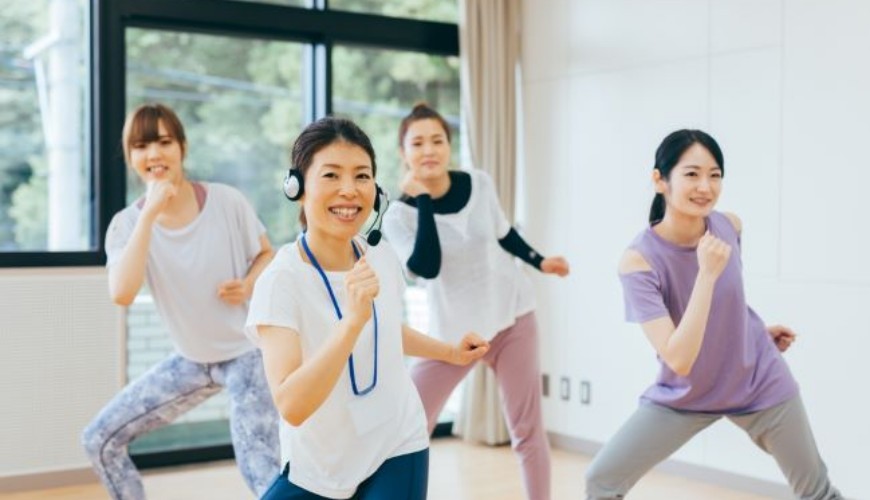
You’ll notice benefits from health gymnastics in days to weeks: better stamina, stronger muscles and bones, improved heart health, and clearer mood. Practiced consistently, the best routines this year can reduce chronic risk factors, lift your mental resilience, and help you maintain a healthy weight without extreme diets.
This article shows which gymnastics routines deliver those physical and mental gains, explains why they work, and gives practical ways to fold them into your daily life. Expect concrete examples, real success stories, and simple plans you can start using right away to make exercise part of your routine.
Understanding the Benefits of the Best Health Gymnastics This Year
You will learn how modern health gymnastics improves strength, flexibility, balance, cardiorespiratory fitness, and mental well-being. The points that follow explain what these programs include, how they stand out this year, and how gymnastics compares to other activities.
Overview of Health Gymnastics
Health gymnastics combines structured, repeatable movements with progressive intensity to target muscle strength, joint mobility, and cardiovascular endurance. Sessions typically include dynamic warm-ups, mobility drills, core-strength exercises, balance work, and cooldown stretches. You will often see circuits that mix bodyweight strength, plyometrics, and light cardio to raise heart rate while minimizing impact.
Programs this year emphasize functional movement patterns—squats, lunges, rotations—so you transfer gains to daily tasks. Instructors also integrate breathing techniques and short mindfulness breaks to reduce stress and improve focus. Equipment needs remain minimal: a mat, resistance band, and small weights suffice for most workouts.
Key Features of This Year’s Top Programs
Top programs prioritize measurable progression and personalization. You should expect structured levels (beginner–advanced), periodic fitness assessments, and options to scale intensity via reps, sets, or added resistance. Many classes use short performance metrics—time-under-tension, balance hold durations, or repetition maxes—to track improvement.
Safety and accessibility have become core features. Coaches provide movement regressions for joint issues and progressions for strength gains. You will find hybrid formats: live coached classes, on-demand video libraries, and app-based tracking that syncs goals and session history. Class lengths vary from 20–60 minutes to fit different schedules.
How Gymnastics Differs From Other Physical Activities
Gymnastics focuses on coordinated, multi-planar movements that blend strength, flexibility, and proprioception more consistently than single-modality exercises. Compared to running, you gain more balance and upper-body strength. Versus traditional weightlifting, gymnastics emphasizes full-range mobility and control alongside force production.
You should note the mental component: learning and refining movement patterns demands concentration and builds motor learning, which translates to better body awareness. Impact and intensity are adjustable, making gymnastics suitable for rehabilitation and performance training alike.
Physical Health Advantages of Health Gymnastics
You will gain measurable improvements in heart and lung capacity, stronger and more flexible muscles, and better control of body weight and fat percentage. These benefits come from consistent, structured movements that target endurance, strength, and metabolic rate.
Improvement of Cardiovascular Health
Regular gymnastics-based workouts raise your heart rate through dynamic sequences like jumping jacks, step drills, and circuit-style routines. That sustained elevated heart rate improves stroke volume and cardiac output, helping your heart pump blood more efficiently during both activity and rest.
You also increase your aerobic capacity (VO2 max) when you train at moderate to high intensity several times per week. Improved circulation reduces resting blood pressure and supports healthier cholesterol profiles, which lowers your long-term risk for coronary disease.
Simple, repeatable measures let you track progress: monitor your resting heart rate, time to recover after exertion, and distance walked or jogged in fixed time intervals. These metrics show real cardiovascular gains from consistent practice.
Muscle Strength and Flexibility Enhancement
Health gymnastics combines bodyweight resistance, controlled eccentric movements, and range-of-motion drills that build muscle across major groups—core, legs, back, shoulders. Exercises such as squats, lunges, planks, and controlled push variations increase functional strength you use in daily tasks.
You improve flexibility by incorporating dynamic stretches and mobility flows before and after strength work. This reduces muscle stiffness and lowers injury risk by increasing joint range of motion in the hips, shoulders, and spine.
Progressive overload applies here too: increase repetitions, add tempo variations, or include brief holds to continue building strength. Track gains by noting higher rep counts, longer hold times, or improved ease performing daily movements.
Weight Management and Fat Reduction
Gymnastics-style sessions burn calories through combined aerobic and anaerobic work, which raises your total daily energy expenditure. High-intensity intervals and circuit formats create an afterburn effect (elevated post-exercise oxygen consumption) that helps you burn additional calories after the workout ends.
You can target body composition changes by pairing regular sessions with modest dietary adjustments—aim for a small caloric deficit while keeping protein intake adequate to preserve lean mass. Consistency matters: 3–5 sessions per week produces steady reductions in body fat percentage for most people.
Practical tracking methods include weekly weight checks, body measurements (waist, hips), and occasional body-fat assessments. Use these objective measures to adjust workout intensity and nutritional intake for continued progress.
Mental Wellness and Emotional Stability Through Gymnastics
Gymnastics delivers measurable benefits for mood regulation, confidence, and mental sharpness. You gain tools to reduce stress, build self-belief through mastered skills, and maintain attention and memory with regular practice.
Stress and Anxiety Reduction
Gymnastics combines structured movement, breath control, and short focused routines that lower physiological stress markers. When you perform dynamic exercises—like tumbling runs, handstands, or vault approaches—your body releases endorphins and dopamine, which reduce perceived pain and anxiety.
Practice elements such as controlled breathing before a routine and progressive skill drills help interrupt rumination. You also get habitual exposure to manageable challenge and novelty; this repeated, safe stressor trains your nervous system to recover faster from acute anxiety.
Practical tips:
- Use 5–10 minutes of warm-up breathwork before practice.
- Break complex skills into small drills to prevent overwhelm.
- Track sleep and hydration, since both influence anxiety and performance.
Boosting Self-Confidence and Motivation
You build confidence by setting clear, progressive goals—landing a skill, increasing repetition, or improving form. Each completed step gives concrete evidence of improvement, which strengthens your self-efficacy.
Feedback from coaches and measurable markers (time held, number of successful reps) make progress visible. That visibility sustains motivation because you can quantify gains and adjust targets.
Social aspects also matter: training with peers or performing in front of a small audience teaches you to manage evaluation pressure. Use short-term goals, celebrate micro-wins, and keep a skill log to preserve momentum.
Supporting Cognitive Function
Gymnastics demands rapid decision-making, spatial awareness, and motor planning, which exercise executive functions in your brain. Drills that require sequencing—like a beam routine or combination tumble—improve working memory and task-switching.
Regular practice enhances visuospatial processing and reaction time. These gains transfer to everyday tasks that require focus, multitasking, or balance under distraction.
To maximize cognitive benefits:
- Vary drills weekly to challenge adaptation.
- Include coordination exercises (e.g., balance beam transitions).
- Combine physical practice with brief mental rehearsal to reinforce neural pathways.
Types of Health Gymnastics Routines Recommended This Year
These routines target cardiovascular fitness, muscular control, and safe joint-friendly movement. Each type emphasizes clear progressions, practical equipment, and cues you can apply in group classes or home sessions.
Dynamic Aerobic Sequences
Dynamic aerobic sequences combine continuous large-muscle movements with rhythmic pacing to raise heart rate and improve stamina. Expect structured blocks: a 5–10 minute warm-up with joint mobility, 20–30 minutes of alternating high and moderate-intensity intervals (marching, step touches, knee lifts, grapevines, light jumps), and a 5–10 minute cooldown with slower stepping and stretching.
Use tempo changes and simple choreography to keep the session engaging while controlling intensity. You can scale effort by increasing step height, tempo, or adding light hand weights (0.5–2 kg). Monitor your perceived exertion; aim for moderate intensity (you can talk but not sing) for steady-state sets and short high-intensity bursts if you have clearance.
Balance and Coordination Exercises
Balance and coordination focus on proprioception, single-leg control, and cross-body movement patterns. Typical drills include single-leg stands with arm reaches, tandem walking, slow clock-reach exercises, and dynamic transitions (step-back into lunge then rotate). Perform 2–3 sets of 20–40 seconds per exercise, progressing by narrowing base of support or adding head turns and unstable surfaces.
Include reactive tasks—catching a light ball or following unpredictable step cues—to train neuromuscular responsiveness. These exercises reduce fall risk and improve movement efficiency in daily tasks like climbing stairs or carrying groceries. Use a stable chair or wall for support during progressions and prioritize quality of movement over speed.
Low-Impact Options for Seniors
Low-impact routines preserve joint health while improving strength, mobility, and cardiovascular function. Structure sessions around seated or supported standing exercises: chair marches, seated leg extensions, calf raises, hip abductions, and mini-squats using a chair for support. Combine 10–15 minutes of gentle aerobic movement (marching in place or slow step-touches) with 15–20 minutes of strength and flexibility work.
Keep repetitions moderate (8–15) and rest between sets. Emphasize controlled tempo and breathing, and avoid ballistic movements. Use resistance bands and ankle weights for progressive load when appropriate. Always screen for balance or cardiovascular issues before advancing intensity, and encourage regular practice 2–4 times per week for measurable benefits.
Incorporating Health Gymnastics Into Daily Life
Start with small, specific actions you can repeat: schedule short sessions, choose a consistent location, and pick reliable resources to guide you. Focus on routines that fit your day and targets like strength, flexibility, or stress reduction.
Tips for Consistent Practice
Set a fixed, realistic schedule you can keep. Aim for 15–30 minutes on most days rather than rare long sessions. Put sessions in your calendar with reminders and treat them like appointments.
Design three repeatable routines: warm-up (5 minutes), core practice (10–20 minutes), cool-down/stretch (5 minutes). Rotate routines across days—strength-focused, mobility-focused, cardio/light rhythm—to avoid boredom and overuse.
Track progress with simple metrics: minutes per session, number of sessions per week, or one measurable outcome (e.g., hold a plank 10–20 seconds longer each month). Adjust intensity gradually and rest when you feel persistent soreness.
Creating a Supportive Environment
Choose a safe, uncluttered space with enough room to move—about 2×2 meters for most floor and standing exercises. Keep a non-slip mat, a small towel, and a water bottle within reach.
Make the space inviting: natural light, a mirror for posture checks, and a speaker or headset for tempo or instruction. Remove distractions—silence notifications or use Do Not Disturb while you practice.
If you share space, set clear boundaries by posting a short note or agreeing on time blocks. For motivation, display progress cues like a calendar you tick or photos that show posture improvements.
Leveraging Online and Offline Resources
Use a mix of trusted online classes and local options. Look for instructors with certifications in fitness, physiotherapy, or gymnastics; read reviews and preview lessons before committing.
Select platforms that let you filter by duration, skill level, and equipment. Save 3–5 go-to videos: a quick warm-up, a strength routine, and a mobility flow. Download or bookmark them for offline use when connectivity is poor.
Complement online guidance with occasional in-person sessions: a monthly class, a workshop, or a check-in with a trainer to correct form. Use simple tools—resistance bands, light dumbbells, and a stability ball—to expand exercise variety safely.
Success Stories and Results From Health Gymnastics
You’ll read many real-world examples of people who improved both physical fitness and mental well-being through regular health gymnastics. A teacher reported increased stamina and reduced back pain after three months of twice-weekly sessions.
Athletes and non-athletes alike often see measurable gains in flexibility and muscle tone within 6–12 weeks. You can expect improvements in joint mobility and core strength when you follow a consistent routine.
Several schools implemented daily morning gymnastics and documented better classroom focus and reduced behavioral incidents. Those programs also noted improved mood and social interaction among students.
You might track progress with simple, repeatable measures: standing long jump, sit-and-reach, and timed walk tests. Below is an example table you can adapt for your own tracking.
| Metric | Typical timeframe for change |
|---|---|
| Flexibility (sit-and-reach) | 4–8 weeks |
| Cardiovascular endurance (timed walk/run) | 6–12 weeks |
| Strength (bodyweight exercises) | 6–10 weeks |
| Mood/stress reduction (self-report) | 2–6 weeks |
Group classes and rhythmic gymnastics often boost adherence because they combine structure with social support. You’ll find that regular participation leads to small, cumulative gains that compound into lasting benefits.
Conclusion
You can make meaningful improvements to both your physical and mental health by adding regular gymnastics-style exercise to your routine. Small, consistent sessions build strength, flexibility, balance, and cardiovascular fitness while also lowering stress and supporting mood regulation.
Pick movements that match your current ability and goals. Combine aerobic, strength, and mobility elements to get broad benefits without overloading any single system.
You will see the best results when you practice safely and progressively. Warm up, use proper technique, and rest when needed to reduce injury risk and maintain long-term consistency.
If you want a quick reference, consider this simple weekly template:
- 2–3 aerobic sessions (20–40 minutes)
- 2 strength/mobility sessions (20–30 minutes)
- 1 active recovery day (light stretching or walking)
Consult a healthcare professional if you have chronic conditions or concerns before starting a new program. With sensible planning, you can keep the practice sustainable and effective for years to come.